Groundnut Wood Press Oil | शेंगदाणे तेल

Bring rich, nutty flavour to everyday tadka, sabzis and fried favourites with traditionally wood-pressed groundnut oil.

₹ 399.00

MRP (Incl. of all taxes)

4.91 | 44 Reviews
USP badge
USP badge
USP badge
USP badge
Groundnut Wood Press Oil | शेंगदाणे तेल
Groundnut Wood Press Oil | शेंगदाणे तेल ₹ 399.00
1 / 9
Description

Let the first crackle of tadka fill your kitchen with familiar, nutty warmth. PIP AGRO Wood-Pressed Groundnut Oil brings the rich flavour of native groundnuts to everyday dals, sabzis and fried favourites. Slowly pressed from native heirloom groundnuts in wooden churns (lakdi ghani) at low ambient temperatures, it is unrefined and single-filtered. From a weeknight tempering to a drizzle over thecha or podi, choose it when you want groundnut flavour to be part of the meal.

Key Highlights & Benefits

  • Rich Groundnut Taste: A distinctive peanut aroma that complements Indian spices and familiar home-cooked dishes.
  • Traditional Lakdi Ghani Pressing: Native groundnuts are slowly crushed using wooden churns and mechanical pressure rather than solvent extraction.
  • Unrefined and Single-Filtered: Prepared to retain the oil's characteristic flavour and texture, with minor seed settling possible.
  • One Oil, Many Everyday Recipes: Use for tadka, sautéing, chutneys and podi drizzles, or controlled-heat frying. Avoid overheating or letting it smoke.
  • Rooted in Farming Communities: Native groundnuts sourced through partnerships with Vandan Agro and Maa Reva Vedic Food connect your kitchen with traditional village production.
Ingredients & Shelf Life
  • Ingredients: 100% Pure Wood-Pressed Groundnut Oil (Arachis hypogaea).
  • Allergen Information: Contains Peanuts (Groundnut). Processed in a facility that handles oilseeds and nuts.
  • Net Volume: Available in a 1 L plastic bottle and a 5 L plastic can.
  • Shelf Life: 9 months from the date of manufacturing when stored properly.
Nutritional Information

Serving Size: 10g

Nutrient Per 100gm % RDA Per Serve
Energy (kcal) 899 4.5
Protein (g) 0
Total Carbohydrate (g) 0
Total Sugar (g) 0
Added Sugar (g) 0 0.0
Total Fats (g) 99.9 14.9
Saturated Fat (g) 21.7 9.9
Trans Fat (g) 0 0.0
Sodium (mg) 0 0.0

The % Recommended Dietary Allowance is Calculated on the basis of 2000Kcal Energy moderate adult

Why Wood-Pressed Oils?
  • How It Is Extracted: Wood-pressed (lakdi ghani) oil is extracted using a slow-rotating wooden pestle that crushes oilseeds or nuts inside a wooden mortar. This traditional method uses mechanical pressing rather than solvent extraction.
  • Why It Is Important: Wood-pressing produces an unrefined oil with the seed’s characteristic aroma, flavour and texture. Groundnut's rich, nutty character becomes part of the dish, while its declared composition depends on the seeds and processing conditions.
  • Where the Method Came From: The lakdi ghani method has a long history in Indian food traditions. Village communities used cattle-driven wooden churns to press oilseeds locally for everyday cooking.
  • Why It Matters Today: For people who value traditional preparation, wood-pressed oils bring a distinctive flavour and aroma to everyday cooking while keeping a familiar food-making practice alive.
Know Your Maker

Crafted in Partnership with Vandan Agro & Maa Reva Vedic Food

At Past In Present Agro, our commitment to traditionally pressed groundnut oil is upheld by two dedicated partner networks that honor time-tested traditional extraction:

1. Roots in Satara with Vandan Agro

A few years ago, a personal interest in traditional food led our partner at Vandan Agro to explore everyday cooking oils. After spending five years working closely in the oil industry and understanding the machinery and processing methods, he chose a different path, reviving the traditional wooden press (lakdi ghani) right near our warehouse in Satara district, Maharashtra.

By establishing the extraction unit in the village, Vandan Agro created direct, steady employment for local villagers, supporting rural livelihoods while bringing back the slow, traditional practices he grew up with. Batches of native groundnuts are crushed using heavy wooden pestles.

2. Traditional Sourcing & Mastery with Maa Reva Vedic Food

For our groundnut sourcing and traditional extraction, we also collaborate with Maa Reva Vedic Food, guided by founder Varush Singh. Dedicated to preserving India's native agricultural traditions, Varush and his team work directly with rural and forest-fringe farming communities.

Through direct community sourcing, Maa Reva Vedic Food procures groundnuts from local farming families and follows traditional wooden-press methods to produce unrefined oil.

Benefits
  • Distinctive Groundnut Flavour: Brings a rich, nutty taste to everyday meals.
  • Traditional Preparation: Made using the slow wooden-press method.
  • Multi-Purpose Cooking Utility: Use in everyday cooking, chutneys and podi drizzles.
  • Natural Aroma: Complements Indian spices and familiar home-cooked dishes.
  • Unrefined & Single-Filtered: Retains the character of traditionally pressed groundnut oil.
Ways to Enjoy

1. Daily Indian Cooking & Tempering (Tadka)
How:
Heat 1 teaspoon of groundnut oil on low flame and gradually increase as needed. Add mustard seeds, cumin, curry leaves and green chilies.
Why: Delivers a deep, authentic aroma to dals, sabzis and curries.

2. Frying (Pooris, Pakoras & Vadas)
How:
Heat on a low flame first and raise the heat gradually as needed. Avoid letting the oil smoke.
Why: Adds a familiar groundnut flavour to fried favourites.

3. Chutney & Podi Drizzle
How:
Drizzle 1–2 teaspoons of raw or warm groundnut oil directly over South Indian podis, thecha, idlis or warm dosas.
Why: Adds a rich, nutty flavor that complements spicy roasted lentil powders and green chilies.

Storage Info
  • General Storage: Keep in a dry, cool, and hygienic place away from direct stove heat.
  • Sunlight Protection: Protect from direct sunlight.
  • Airtight Care: Keep the bottle cap tightly sealed to preserve aroma and prevent oxidation.
  • Note on Sedimentation: Minor seed fiber settling at the bottom can occur naturally in single-filtered unrefined oil.
  • Everyday Bottle Care: Keep the original bottle upright in a cool, dry, dark cupboard, away from sunny windows, the stove and other heat sources. Close the cap promptly and tightly after every use to limit contact with air. Keep water, steam and wet utensils out of the oil; use only clean, completely dry utensils and do not pour used oil back into the bottle.
  • After Opening & Freshness: Note the opening date and follow the printed best-before date and any shorter after-opening instructions on the pack. Opening does not restart the shelf life. Do not continue using oil if it develops an unusual rancid or stale smell; contact us if you are unsure.
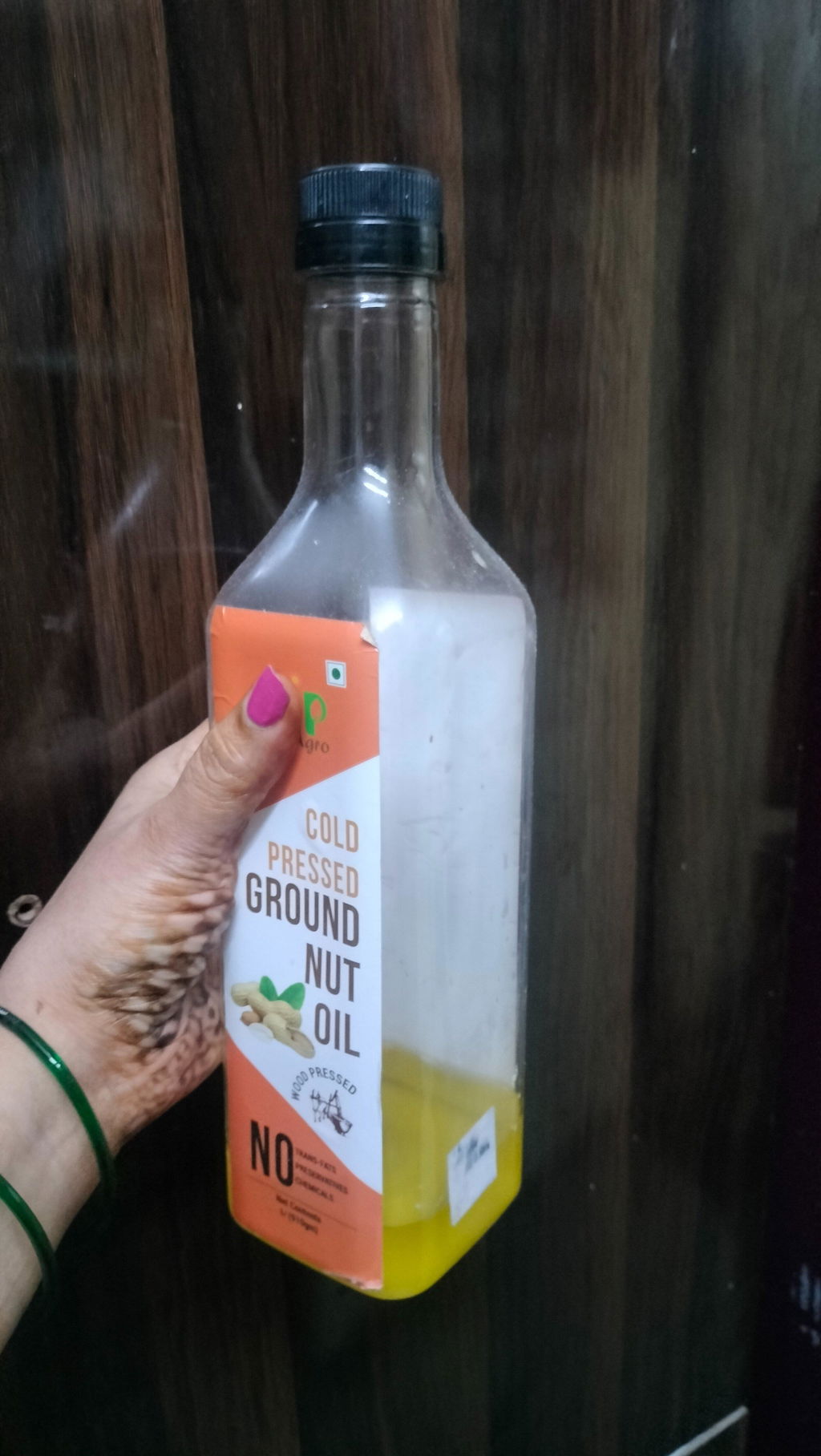
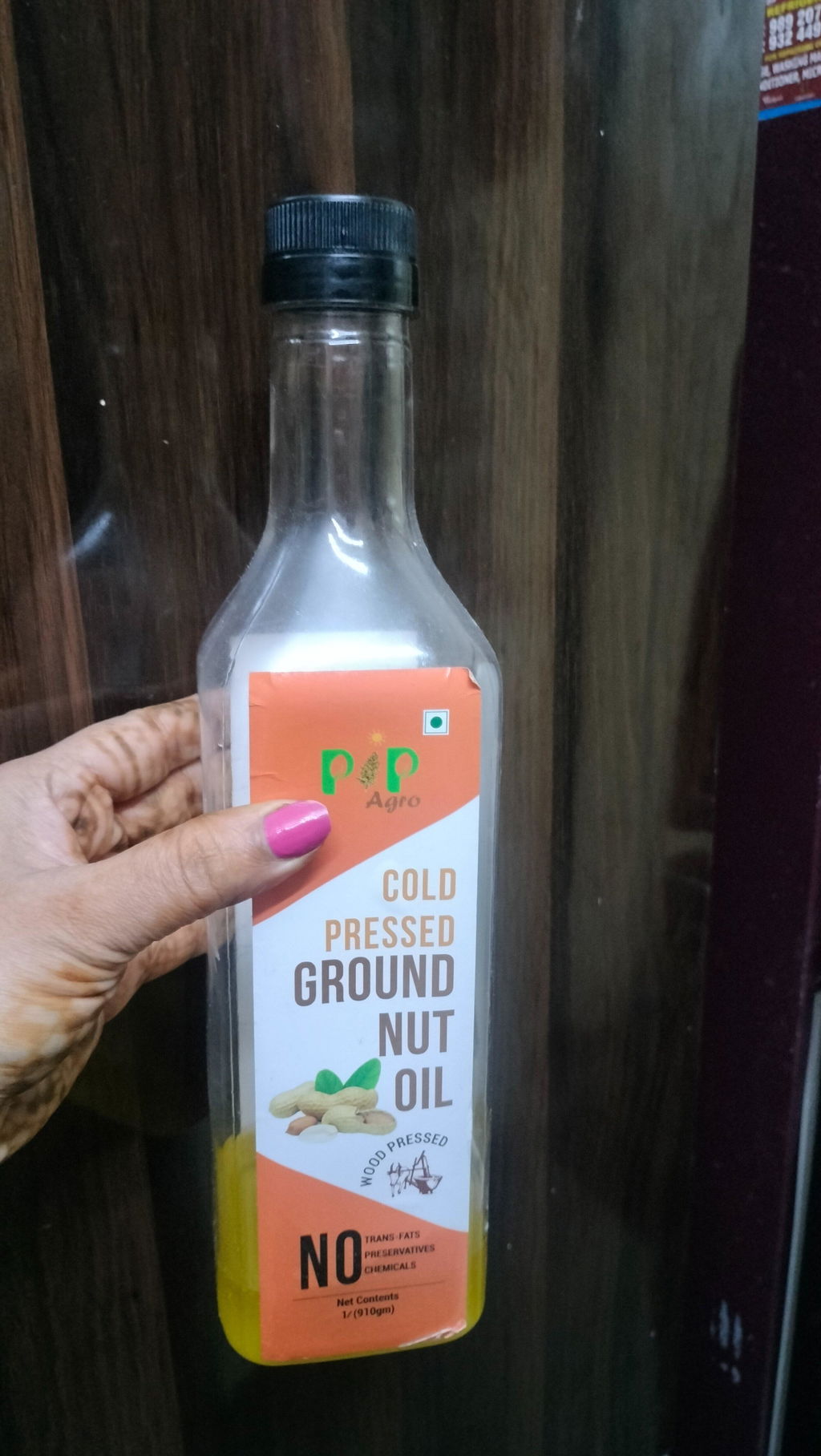
"Seeing is Believing"

Groundnut Wood Press Oil | शेंगदाणे तेल

Groundnut Wood Press Oil | शेंगदाणे तेल

Rs. 399
Groundnut Wood Press Oil | शेंगदाणे तेल

Groundnut Wood Press Oil | शेंगदाणे तेल

Rs. 399
Groundnut Wood Press Oil | शेंगदाणे तेल

Groundnut Wood Press Oil | शेंगदाणे तेल

Rs. 399

Everything You Need To Know

Q. How is PIP AGRO Groundnut Oil made?
A. Native groundnuts are pressed slowly in traditional wooden churns, known as lakdi ghani, at low ambient temperatures. The oil is unrefined and single-filtered, giving it the rich, nutty aroma and flavour of groundnuts. We work with Vandan Agro in Satara and Maa Reva Vedic Food to bring this traditional preparation to your kitchen.
Q. What ingredients are used? Are any other oils blended in?
A. The ingredient is 100% wood-pressed groundnut oil (Arachis hypogaea), not a blend of different oils. Contains peanuts. It is processed in a facility that also handles nuts and oilseeds, so please check the allergen information on your bottle before use.
Q. Why choose this wood-pressed Groundnut Oil instead of a refined oil?
A. Choose it for traditional wooden extraction, single filtration and a distinctive groundnut taste that becomes part of the dish. Mechanically pressed rather than solvent-extracted, this unrefined oil brings a noticeable nutty aroma to everyday meals. Enjoy that familiar character in a fresh tadka, a thecha or podi drizzle, or controlled-heat frying, without letting the oil smoke.
Q. Can I use it for daily cooking, frying and traditional recipes?
A. Yes. Use it for everyday tadka, dals, sabzis and sautéing, or for frying pooris, pakoras and vadas with controlled heat. It also adds a rich, nutty finish to thecha, chutneys and South Indian podi served with idlis or dosas. Warm gently, increase the heat as needed, avoid letting the oil smoke and avoid repeated reheating.
Q. What is the shelf life, how should I store it, and is settling normal?
A. The shelf life is 9 months from manufacture when stored properly. Keep tightly capped in a cool, dry place away from sunlight, stove heat and moisture, and follow the printed best-before date and any after-opening directions. Minor groundnut seed particles may settle at the bottom because the oil is single-filtered and unrefined. Settling can occur naturally, but is not by itself proof of purity; contact us if you notice an unexpected change. Keep the original bottle upright in a cool, dry, dark cupboard, away from sunny windows, the stove and other heat sources. Close the cap promptly and tightly after every use to limit contact with air. Keep water, steam and wet utensils out of the oil; use only clean, completely dry utensils and do not pour used oil back into the bottle. Note the opening date and follow the printed best-before date and any shorter after-opening instructions on the pack. Opening does not restart the shelf life. Do not continue using oil if it develops an unusual rancid or stale smell; contact us if you are unsure.